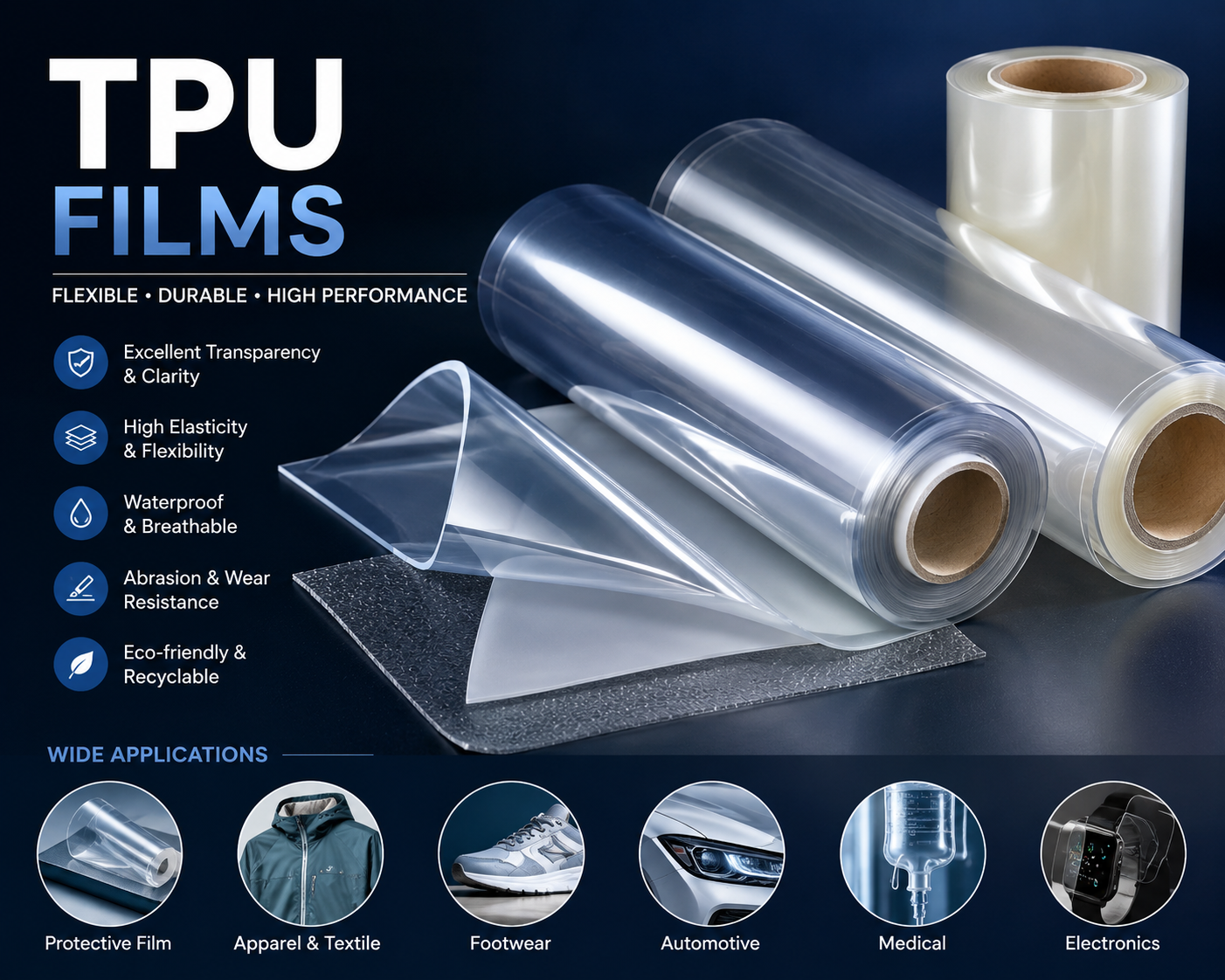
The concept of film importation for TPU may seem simple at first glance. You find a supplier, make an agreement about the price, order, and wait for delivery. The reality is, however, that it's not as simple as it initially seems for buyers.
However, problems with quality, customs clearance, lack of certification, and lack of communication could all make a straightforward purchase a big headache. Knowing challenges enables you to plan accordingly and make fewer mistakes that are common amongst new importers.
A very tricky problem for importing TPU films is getting a second batch that is not the same. It was an ideal sample. The initial batch of the bulk order was good. However, the third or fourth shipment is thicker, less stretchy, or less bonded.
This is more often than it is supposed to. It is normally a change in the raw material batches for the supplier, a change in a production parameter, or subcontracting part of the production without informing the buyer.
Be sure to ask for certificates of analysis for each batch in every shipment. These documents validate the results of the test for that production run. Check against the agreed specification sheet. If there are numbers beginning to wander, be sure to ask the supplier before the next order. A well-defined written specification as part of a purchase contract also affords a document for rejecting any non-conforming goods.
For such uses as wearables, medical, or smart textiles, TPU films may require compliance with certain regulatory standards. REACH compliance for the European market. For skin contact applications, an OEKO-TEX certification will be obtained. Regulatory requirements of the FDA for medical use in the USA. It's not always easy to get papers just right.
Some suppliers boast certifications that they aren't on the record for having obtained. Others are also certified but had their certification expire. Some make films, which may fail tests, but not ones that have been tested and certified. In each case, if a product enters a regulated market without suitable compliance documentation, then the buyer assumes the risk.
Always get the certificate number. Never use a scanned copy without verifying the validity of the document. This is the minimum requirement when it comes to products destined for regulated markets.
Yes, a lot of China, Taiwan, and South Korea established manufacturers have both REACH compliance certifications and OEKO-TEX. It became widely adopted among export factories with products destined for the European and North American markets. Always check the certificate with the certificate provider instead of taking the supplier's word for it.
Importing TPU film with goods requires passing customs clearance. If done correctly, this step can be time-consuming and an expensive process! Customs classification of TPU films is done on specific HS codes. The wrong HS code can result in clearance delays, queries from Customs authorities, or incorrect duty being calculated.
The duty rates on technical films vary in different countries and depend on the type of technical film exported. In some markets, some type of duty may be lower when the TPU film is considered a technical textile or not considered a general plastic. A freight forwarder or customs broker who is well-versed in technical film imports is beneficial in saving both time and money for every shipment.
Working across languages is frequently part of buying from overseas suppliers. There is a risk of loss of meaning in the technical specifications. If a moisture vapor transmission rate specification was not clearly communicated and confirmed in writing, a non-breathable TPU film might be supplied to a purchaser who is unable to perform in its target application.
Communicate in writing.
All specifications, tolerances, and requirements should be noted on the purchase order. Avoid verbal agreements and informal communications. Follow a formal specification sheet or technical specification sheet signed by the supplier prior to manufacturing. When the supplier makes a sample from the specification, make sure they confirm in writing that the bulk will be exactly the same.
Use Visuals Where Possible
Technical drawings, diagrams, and reference samples are more reliable sources of information than words alone. It eliminates a lot of ambiguity that causes a problem in crossing borders in technical procurements.
Is the quality of a TPU film dependent upon shipping method?
Yes, it can. TPU films can be affected by high levels of heat and moisture in transit. Film properties will be disturbed by sea freight containers, which are kept in hot containers for several weeks. Special handling in climate-controlled containers of sensitive film products is an extra expense that preserves quality. Thoroughly examine cargo upon receipt, and record any defects before receiving cargo.
Some manufacturers of TPU film have a minimum order size that is unattainable for small buyers or early businesses. If a factory is equipped with 5 thousand meters for every specification, then you won't be able to experiment with a new smart textile product in your brand with just 500 meters.
This is a mismatch that frequently occurs and drives some of the buyers to intermediaries or trading companies instead of the right manufacturer. Trading companies will be able to provide a smaller quantity at a higher price, and the reality will not necessarily be published clearly.
The best way to proceed is to find manufacturers who have a development or sampling program. Some factories have lower minimums for new customers, anticipating orders that will grow to a significant size once the product is proven. In stating your current volume and growth expectations, more flexibility than the minimum published will generally be found.
The importation of TPU films provides a great benefit in terms of product scope and price. But this can also present itself with challenges that must be actively managed. The main problem areas are quality consistency, quality certificate verification, customs compliance, communication, and flexible minimum orders. The buyers who make it past these challenges are the ones who set up the correct systems with their sourcing process.
Related Articles
https://www.afelpolyfilms.com/blogs/why-tpu-films-are-the-preferred-choice-for-smart-wearables
FAQ
Q1. What are the primary pitfalls to look out for the first time when importing TPU film?
The most common errors are failing to state the need for sample evaluation in the purchase contract, failing to independently verify the certifications, selecting a supplier based solely on the price, and failing to include clear written specifications in the purchase contract prior to production.
Q2. Where should I buy TPU films in bulk for a retail business?
When you source products directly from certified manufacturers in the manufacturing province in China, you will get the best price and volume capacity when purchasing the product for your retail business.
Q3. How to buy TPU films wholesale at affordable rates?
Deal directly with manufacturers, not trading companies; agree on a fixed volume per year to access pricing on contract; negotiate landed cost, not just ex-factory cost; consider quoting when factories might be looking to clear capacity in different seasons or periods of the year for a lower rate.
Q4. Where can I find a TPU film supplier who also offers customization?
Look for manufacturers that make custom film extrusion a priority, have a development sample sheet listing the various film thickness ranges on their product line, surface treatments, and whether there are any adhesive options.
Q5. Is there any TPU film supplier who offers bulk supply with customization at low prices?
Absolutely, there are a number of manufacturers in China who specialize in manufacturing for export and can supply bulk samples that are reasonably customizable and at competitive prices.
Hospital-acquired infections touch 1 in 25 patients. That was th
READ FULLIf you are looking to source TPE film from a market that combines technical rigor with industrial
READ FULLIn a packaging, manufacturing, or product design career, material decisions are important. TPE an
READ FULL